
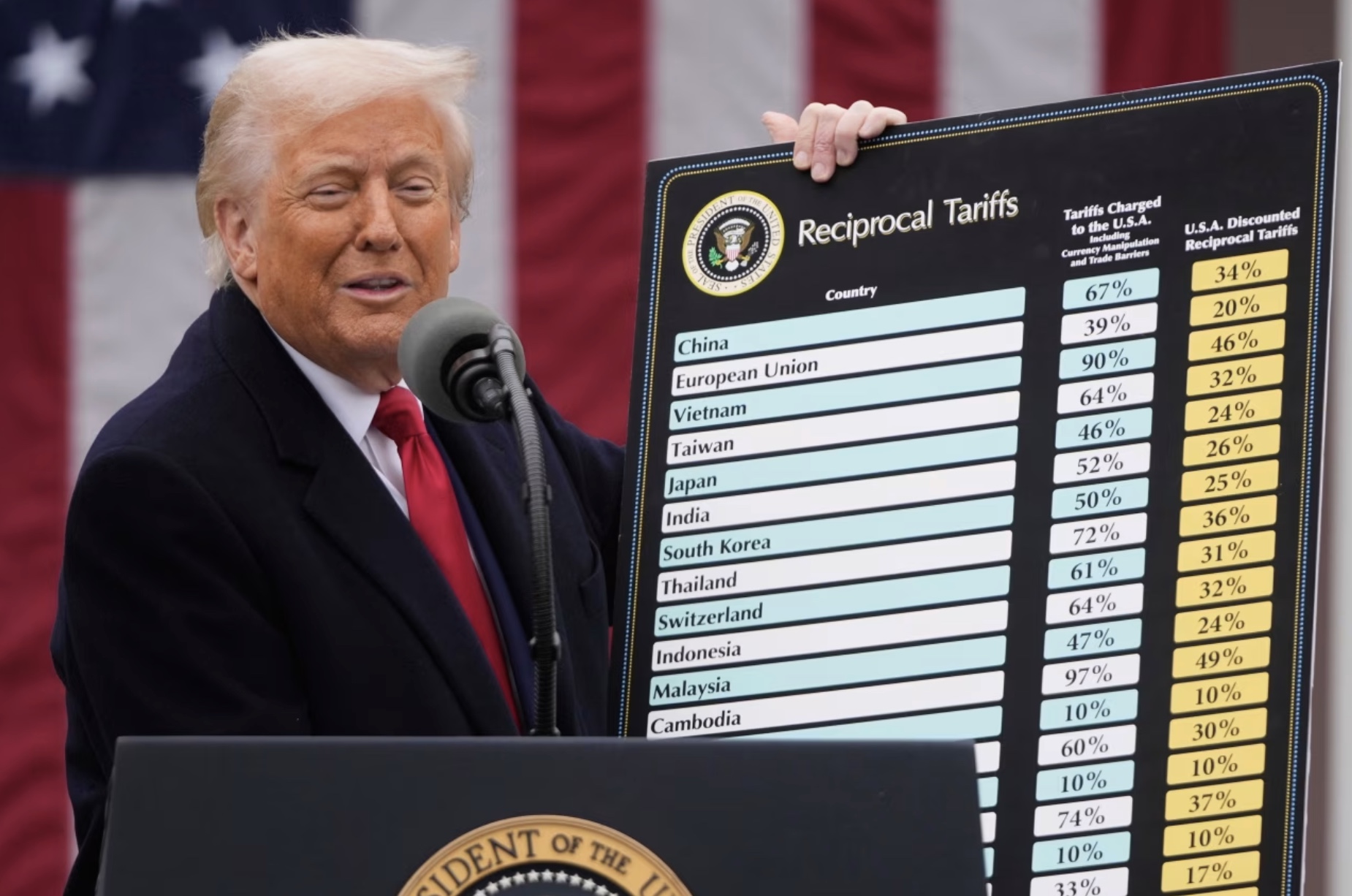
Nations that export to the U.S. are eating the costs, often in unseen ways.
By Peter Navarro | Wall Street Journal | February 10, 2026
In your editorial “Are Trump’s Tariffs Winning?” (Review & Outlook, Feb. 5), you claim that President Trump’s tariffs “raise relative prices” and that prices on many goods “would be lower” without them. These assertions rest on a basic error in tariff-incidence analysis—one echoed in the Harvard and Kiel Institute papers your editorial cites.
Paying a tariff and bearing its economic burden aren’t the same thing. While the importer of record, such as a U.S. company, writes the check to Customs, which party carries the tariff’s true economic burden—its “incidence”—is determined through the adjustment process: via upfront price cuts by foreign exporters, margin compression, volume changes, sourcing shifts and currency movements.
China illustrates this most clearly, but it’s hardly unique. Many major economies—across East Asia, Europe and the developing world—depend heavily on exports to the U.S. market for growth and employment. In such export-dependent systems, the U.S. has considerable leverage, and tariffs force exporters to adjust.
That adjustment often begins with explicit price cuts at the factory gate, with foreign countries eating a portion of the costs to keep prices low and ensure Americans keep buying. Even when prices don’t visibly fall, exporters still lower their effective prices through rebates, discounts, extended payment terms or by absorbing costs internally to remain competitive.