
It Was a Great Scam While It Lasted
By Peter Navarro | The New York Times | August 13, 2026
The recliner really is made in Vietnam. The plant, just north of Ho Chi Minh City, is legit — it’s got thousands of workers making real furniture. The motor inside the recliner is another story.
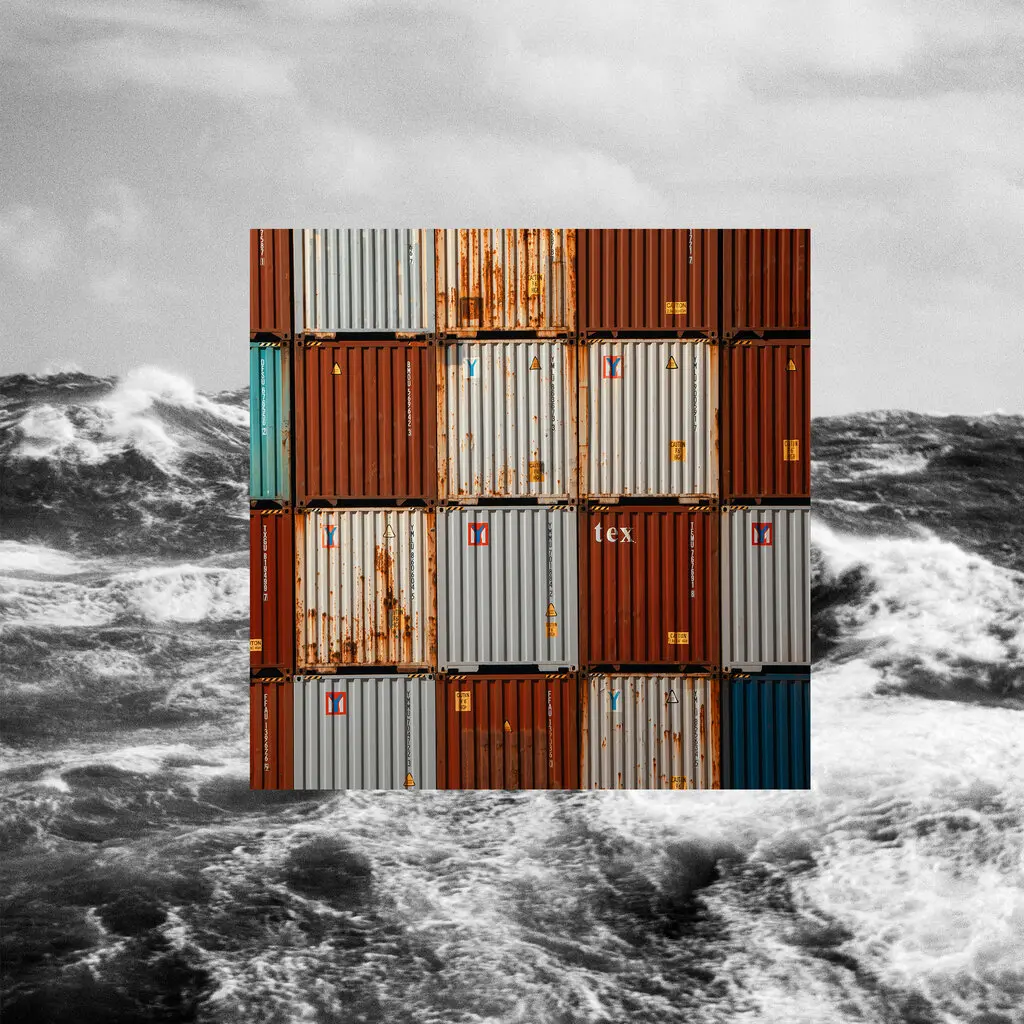
The motor arrives from China finished, branded and boxed, shipped by the container load from a factory in the same corporate family as the furniture maker. Workers unbox it and bolt it into the recliner. Within 90 days the recliner sails from Vung Tau and lands at Norfolk, Va., where the Chinese mechanism is declared as Vietnamese. If the paperwork holds, that “Made in Vietnam” claim erases 25 percentage points of American tariff that would otherwise be levied.
It is not an isolated case. On Thursday, the White House is releasing a report documenting the great transshipment scam: a shadow network of more than 40 countries enabling sleight of hand to deceive American consumers and customs officials about where their exports really originate. In the process, these countries are robbing the United States of tens of billions of dollars a year and countless manufacturing jobs.
Transshipment is driven by tariff arbitrage: When a product from one country faces a higher U.S. tariff than it would from another country, the difference becomes a profit opportunity, and even a business model in its own right.
Ship $1 billion of Chinese goods straight to an American port and the duty can run to several hundred million dollars. Send the identical goods through Vietnam, Malaysia or Thailand and most of that bill disappears. Send them through Mexico wearing U.S.-Mexico-Canada Agreement paperwork that they have not earned, and the bill can disappear entirely.
Five independent analyses — two government, three private — have estimated the scale of illegal transshipments from China. Goldman Sachs puts it near $40 billion a year. The White House Council of Economic Advisers estimate lands around $60 billion; the Commerce Department, measuring the extent to which imports of products previously listed as coming from China have been replaced by imports of the same products from other countries, says $67 billion; the software company Exiger, working from shipment-level data, estimates $75 billion; and Altana, a company that tracks global supply chains, measuring total exposure, puts the figure at $303 billion.
These analyses use different data, screens and definitions, but they all point to huge losses for U.S. manufacturers as well as huge losses for the U.S. Treasury. The human toll is even more stark.