
CPI: An Ugly Headline Hides a More Optimistic Reality
By Peter Navarro | RealClearMarkets | October 14, 2026
September’s inflation report delivered an ugly headline. Consumer prices rose 0.6 percent for the month and 3.7 percent over the year. But look under the hood and a very different picture emerges: Many everyday prices are falling, underlying goods inflation remains remarkably subdued, and American workers have made real wage gains under Trumpnomics.
Start with core inflation, which strips out volatile food and energy prices. Core prices rose 0.3 percent in September and 2.6 percent over the year. The monthly reading was slightly hotter than Wall Street expected. Still, the annual core number hardly suggests an economy caught in a runaway inflation spiral.
More revealing is the behavior of core goods prices. These rose just 0.7 percent over the past twelve months.
Now look at the things Americans actually buy.
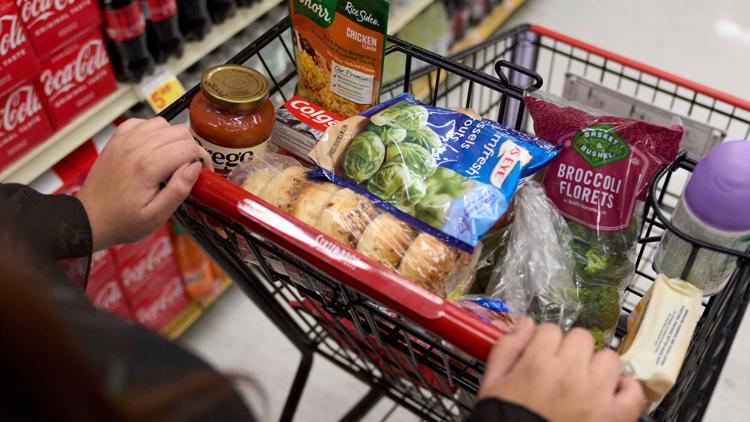
Grocery prices fell 0.1 percent in September and are up just 1.8 percent over the year. Overall food prices were flat.
Beef and veal prices declined 1 percent in September, the fourth decline in five months. Egg prices are down more than 20 percent over the past year. Americans are finally getting some relief at the checkout counter.
The news is equally encouraging in several other major household expenses.
Prescription drug prices fell 1.2 percent in September and are down 4.5 percent over the year. Since Trump took office, prescription prices have declined more than 5 percent.
Used car and truck prices are down 1.5 percent year over year. New vehicle prices have risen just 0.6 percent. Motor vehicle insurance, a major source of Biden-era sticker shock, is down 5 percent.
That’s groceries, drugs, automobiles, and insurance. Hardly the profile of an economy drowning in broad-based consumer inflation.
So what’s driving September’s ugly headline?
Two words: Energy shock.
Gasoline prices surged 9.1 percent in September and 34.2 percent over the past year. Gasoline alone accounted for more than half the monthly increase in consumer prices. Overall energy prices rose 5.2 percent in September and 20.4 percent over twelve months.
This is not an American consumer spending spree. It is a global energy-price shock, with war-related disruptions pushing oil prices higher and driving up transportation costs throughout the economy.
And those higher energy costs are beginning to spill into other prices.
Airline fares rose another 1.2 percent in September. Car and truck rental prices jumped 5.4 percent. Delivery services climbed 1.7 percent. These are precisely the energy-sensitive sectors where higher fuel costs first show up.
Shelter prices also rose 0.4 percent, including a 2 percent jump in hotel rates. Together with higher transportation costs, that helped push core inflation above expectations.
To be sure, the three-month annualized core inflation rate has accelerated to 3.4 percent. That deserves watching. But policymakers must distinguish between persistent, broad-based inflation and temporary price pressures transmitted through energy and a handful of services.
There is already encouraging evidence the energy shock may be easing. Gasoline averaged $4.48 a gallon during September’s price survey but had fallen to roughly $4.34 by early October. If that decline holds, October’s inflation numbers should look considerably better.
There is one other critical piece of this story: American paychecks.